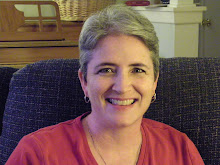
Gordon and Gerry Going – (Ryan and Raymond)
Ryan, who is now nine years old and in third grade, begged Gerry to teach him to read when he was three and a half. She tried to put him off, but eventually gave in and went through Teach Your Child to Read in 100 Easy Lessons with him. By the time he was four and a half, he was reading fluently, so Gordon and Gerry knew that putting him into kindergarten would have been a waste of time. In addition, the Goings home school because they feel it is their responsibility to train up their children in the Lord, not send them to “public indoctrination into all manner of worldliness.” They feel that public schools in California now fail to provide an adequate education and that to properly train their children requires that they be involved and informed as to the content and quality of their education. The Goings feel the best way to do this and ensure a Christ-centered worldview in their children’s education, is to home school.
At first, Gerry tried to keep Ryan busy with just reading, but it was not enough, so she enrolled him in the public charter school, CAVA, which administers the K12 curriculum. Here he was able to work at various levels, based on his personal strengths and weaknesses and move along at his own pace. Gerry and Ryan loved the program and the curriculum.
Meanwhile, the Goings moved to Arleta, which meant that Raymond, who has Down’s Syndrome and was attending a wonderful special education preschool, Horace Mann, in Burbank, would no longer be able to attend there. The local schools in Arleta were/are 98% Spanish-speaking, and with Raymond’s language delay, Gordon and Gerry did not feel this would help him in his English language development. So, with Ryan already in CAVA, it seemed a natural choice to enroll Raymond as well, where he would receive all the therapies and services he needed.
The Goings were happy with these choices until fall of 2009, when CAVA changed its policies and required Raymond to progress at a normal pace through the curriculum, and no longer allowed Gerry to jump around in the curriculum, skipping the skills for which Raymond wasn’t ready and focusing on the things with which he was succeeding. So, although it was difficult to leave the security of CAVA with its accountability, accreditation, and structure -- not to mention the curriculum and provision of services for Raymond -- Gerry removed both Ryan and Raymond from CAVA and filed her own PSA.
Since then, Ryan has been doing Switched-on-Schoolhouse (SOS). This has been a good transition from K12 for Ryan. He was especially excited that they talked about God in his schoolwork. Overall, though, Gerry has found that it isn’t challenging enough for Ryan and she doesn’t feel there is enough writing in the curriculum. Because of this, Gerry has been supplementing SOS with leftover K12 materials and Spelling City (www.spellingcity.com), and will be trying something a little different next fall.
With Raymond, Gerry has been using Alpha Omega’s LIFEPAC Kindergarten, Alpha-Phonics, and Alpha Omega’s Color Phonics. She likes the systematic approach that LIFEPAC provides. In addition Gerry is focusing on a lot of repetition and life skills for learning, like cooking, and tries not to push academics too seriously with him. If he learns to count to four by serving pancakes, that’s how she teaches counting. She desires that Raymond learn to read and speak more clearly, so Gerry continues speech therapy and other language readiness acquisition skills with Raymond. Raymond’s former speech therapist kindly offered the sound production curriculum See It! Say It! so he could continue it at home. Gerry also teaches Raymond sign language so he can be understood and because he has difficulty with processing auditory language.
With both of her boys on very different spectrums and possessing very different gifts and abilities, Gerry is trying to find a balance of styles and systems that works for her and her family. In fall of 2010 she is going to try a more Charlotte Mason approach for Ryan, focusing on a lot of reading and creative writing, and taking the freedom to go off on tangents and pursue specific interests. She still plans on using the leftover K12 math.
The Going boys like routine, though sticking to a routine is a bit challenging. Generally, Ryan gets up and starts his school work on his own. After breakfast, Gerry does school work with Raymond while Ryan continues his independent studies. After lunch, they finish up, usually by 1:30 p.m. Then they may read together, do any special projects, work in the yard, or do special activities. This summer, Gerry plans to do a couple of hours of school work every morning.
Summary:
Name of program: K12 (CAVA)
Pace: State Standard Driven, Spiral Curriculum with individual mastery components
Impetus: Textbook with some Literature and Thematic components
Application: John Dewey/Traditional/American
Necessary Pool of Knowledge: Cultural Literacy and State Standards
Worldview: Secular
Environment: Traditional and Computer, Tutoring in high school years
http://k12.com/
http://www.k12.com/cava/
Name of program: LIFEPAC
Pace: Mastery Based
Impetus: Textbook/Traditional/Subject Driven
Application: John Dewey/Traditional/American
Necessary Pool of Knowledge: State Standards or Textbooks
Worldview: Protestant
Environment: Traditional (Worktexts)
http://www.aophomeschooling.com/lifepac/overview.php
Name of program: Switched-on Schoolhouse
Pace: State Standard Driven
Impetus: Textbook/Traditional/Subject Driven
Application: John Dewey/Traditional/American
Necessary Pool of Knowledge: State Standards or Textbooks
Worldview: Protestant
Environment: Computer
http://www.aophomeschooling.com/switched-on-schoolhouse/overview.php
Name of program: Alpha-Phonics
Pace: Mastery Based
Impetus: None
Application: John Dewey/Traditional/American
Necessary Pool of Knowledge: None
Worldview: None
Environment: Traditional
http://www.howtotutor.com/
Name of program: Color Phonics
Pace: Mastery Based
Impetus: None
Application: John Dewey/Traditional/American
Necessary Pool of Knowledge: None
Worldview: Protestant
Environment: Computer (CD-ROM)
http://www.colorphonics.com/
Shawn and Shannon Sherlock – Lane, Louis, Larry, and Lorraine
The Sherlocks decided to home school because they wanted to train their children all day, every day, allowing them to lay a Christian foundation in all areas of their children’s lives. When they considered Deuteronomy 6:7, “You shall teach them diligently to your sons and shall talk of them when you sit in your house and when you walk by the way and when you lie down and when you rise up,” they felt that the best way for them to do that was through home schooling. In addition, they like being able to meet each child’s academic needs, whether that means going more slowly and repeating concepts or moving ahead. And at the base of it all, Shannon cannot imagine being away from them all day; she treasures the special relationships they have due to the time they spend together.
Each year Shannon files her own PSA. She is currently schooling her oldest three: Lane, nine years old and in fourth grade; Louis, seven years old and in second grade; and Larry, five years old and in kindergarten. Lorraine is three years old. Shannon does not do formal academics over the summer, but keeps the kids reading during that time.
When Shannon started schooling Lane, she used Alpha-Phonics, A Beka science, and Horizons math. She also used copy work from the Bible for penmanship, and AWANA. By the time Larry started kindergarten this year, she realized that instead of including science, she would rather just focus on reading, penmanship, math, and Bible. Also in the past she used the tactic of having the older kids rotate through entertaining the younger children while she spent one on one time with the older ones.
Last school year, Shannon tried LIFEPACS with Lane. She gives it a rating of “okay,” but it wasn’t what they were looking for. This past year she switched to My Father’s World, and used Horizons math with it. She really likes the incremental style of Horizons. In addition she uses First Language Lessons for the Well-Trained Mind by Jessie Wise, which is a literature based grammar instruction book. She also uses English for the Thoughtful Child by Mary F. Hyde and Cyndy Shearer.
For each school day, the Sherlocks follow a strict schedule. They start school at 8:30 a.m. and do work until 10:00 a.m. They take a break from 10:00 to 10:30, and then finish up their school work before lunch, saving math for last. After lunch, they do things like practice piano and reading time. Then they do chores.
Next year Shannon plans on switching to Christian-worldview textbooks which contain the instruction and the questions. She has found that she can’t spend the time that My Father’s World requires, and needs to find something her kids can do independently, leaving her to just check their answers.
Summary:
Name of program: LIFEPAC
Pace: Mastery Based
Impetus: Textbook/Traditional/Subject Driven
Application: John Dewey/Traditional/American
Necessary Pool of Knowledge: State Standards or Textbooks
Worldview: Protestant
Environment: Traditional (Worktexts)
http://www.aophomeschooling.com/lifepac/overview.php
Name of program: Alpha-Phonics
Pace: Mastery Based
Impetus: None
Application: John Dewey/Traditional/American
Necessary Pool of Knowledge: None
Worldview: None
Environment: Traditional
http://www.howtotutor.com/
Name of Program: My Father’s World
Pace: State Standard/Spiral Based
Impetus: Unit Studies & Textbook/Traditional/Subject Driven
Application: John Dewey/Traditional/American & Charlotte Mason
Necessary Pool of Knowledge: State Standard/Textbook, Classical, Biblical Principle
Worldview: Protestant
Environment: Traditional
http://www.mfwbooks.com/
Name of Program: Horizons Math
Pace: State Standard
Impetus: Textbook/Traditional/Subject Driven
Application: John Dewey/Traditional/American
Necessary Pool of Knowledge: State Standard/Textbook
Worldview: Protestant
Environment: Traditional (workbook curriculum)
http://www.aophomeschooling.com/horizons/overview.php
Name of Program: First Language Lessons for the Well-Trained Mind
Pace: None
Impetus: None
Application: Charlotte Mason, but may be used with others
Necessary Pool of Knowledge: Classical Education
Worldview: None
Environment: Traditional
http://www.welltrainedmind.com/store/first-language-lessons-for-the-well-trained-mind-levels-1-2-paperback.html
Name of Program: English for the Thoughtful Child
Pace: None
Impetus: None
Application: Charlotte Mason, but may be used with others
Necessary Pool of Knowledge: Classical Education
Worldview: None
Environment: Traditional
http://www.cathyduffyreviews.com/grammar-composition/english-for-thoughtful-child.htm
Greg and Gina Graven – Genevieve and George
Before Greg and Gina had children, they went to a church where it seemed that everyone around them was homeschooling. They saw how cool it was, and became convinced that in the short time we have to develop our relationships, disciple, and impact our children, home schooling is an invaluable opportunity. After having children and considering the options, they knew that for monetary reasons, private school was not an option, and they weren’t thrilled about the public school option as it would force their children into facing issues with which they were not yet equipped to deal. Also, both of these options meant losing that daily time together for building relationships within their home
For the past four years, Gina has been filing her own PSA and home schooling Genevieve (age 8, 3rd grade) using My Father’s World. With this she has used Spelling by Sound and Structure by Rod and Staff Books, Singapore Math, Primary Language Lessons by Emma Serl, Language Lessons for the Very Young, Volume 2 by Sandi Queen, AVKO’s Sequential Spelling, Spelling Power by Beverly L. Adams-Gordon, and The Getty-Dubay Italic Handwriting Series by Barbara Getty and Inga Dubay. Gina has found that Sequential Spelling works best for Genevieve, as well as Singapore Math and The Getty-Dubay Italic Handwriting Series.
Gina is planning on making a shift for next year as she considers adding George, currently four years old, to the mix, which will demand more of her time and reduce the amount of time she can work one on one with Genevieve. Though she likes what she has been using, she is thinking about shifting to the Robinson Curriculum in order to simplify, concentrate on “reading, writing, and arithmetic,” and focusing on teach Genevieve how to learn and become more of an independent learner.
In addition, Gina really wants to teach history chronologically and with a biblical worldview, which is why she is considering using The Mystery of History along with the Robinson Curriculum since history is not chronological in that curriculum. Since Genevieve really loves to read Gina feels this would be a good option since she will need to spend more one on one time with George beginning in the fall. She is planning to use My Father’s World (kindergarten/first grade) to teach George to read and do hands-on math. Gina loves My Father’s World, but as Genevieve enters third grade Gina feels the need to move away from so many individual subjects and trying to fit it all in: "Genevieve and I both have trouble focusing on so many different things at once.”
Currently they try to follow a routine for school, starting the school day at 9:00 a.m. They start with Bible, which generally consists of AWANA and Sunday school papers. After that they do math and language arts. Language arts consists of handwriting, spelling, and copy work, which is usually a memory verse or poem. Genevieve was doing a typing program and Rosetta Stone’s Spanish, but that has faded as Gina has focused more on the basic academic subjects. In the afternoon they do science and history (currently focused on geography), piano practice, art, and reading. For P.E. they enroll Genevieve in sports classes and take bike rides and walks.
Summary:
Name of Program: My Father’s World
Pace: State Standard/Spiral Based
Impetus: Unit Studies & Textbook/Traditional/Subject Driven
Application: John Dewey/Traditional/American & Charlotte Mason
Necessary Pool of Knowledge: State Standard/Textbook, Classical, Biblical Principle
Worldview: Protestant
Environment: Traditional
http://www.mfwbooks.com/
Name of program: Robinson Curriculum
Pace: Accelerated structure and emphasis (6 days a week, 5 hours per day, year-round), but allows for individual movement through the curriculum, Spiral Based (students cover subjects and themes over and over, and pick up more each time based on maturity and previous knowledge), Delayed Academics in science, Mastery/Spiral Based in math (Saxon)
Impetus: Textbook for Math (Saxon); Literature Based
Application: Unschooling (self-taught, parent is a resource, parent provides the items from which a child can choose)
Necessary Pool of Knowledge: Thomas Jefferson and Classical
Worldview: Founder -- Protestant, Actual Curriculum – None
Environment: Traditional with some Computer components
http://www.robinsoncurriculum.com/
Name of Program: The Mystery of History
Pace: None
Impetus: Unit Study
Application: Charlotte Mason, but can be used with others
Necessary Pool of Knowledge: Classical
Worldview: Protestant
Environment: Traditional
http://www.themysteryofhistory.com/
Name of Program: Spelling by Sound and Structure
Pace: Mastery Based
Impetus: Textbook/Traditional/Subject Driven
Application: John Dewey/Traditional/American
Necessary Pool of Knowledge: State Standards or Textbooks
Worldview: None, though publisher is protestant
Environment: Traditional
http://www.rodandstaffbooks.com/list/Rod_and_Staff_Spelling/
Name of Program: Singapore Math
Pace: State Standard/Spiral Based
Impetus: Textbook/Traditional/Subject Driven
Application: John Dewey/Traditional/American
Necessary Pool of Knowledge: State Standard/Textbook
Worldview: None
Environment: Traditional
http://www.singaporemath.com/Mathematics_s/1.htm
Name of Program: Primary Language Lessons
Pace: None
Impetus: None
Application: Charlotte Mason, but can be used with others
Necessary Pool of Knowledge: Classical
Worldview: None
Environment: Traditional
http://www.amazon.com/Primary-Language-Lessons-Emma-Serl/dp/0965273512
Name of Program: Language Lessons for the Very Young
Pace: None
Impetus: None
Application: Charlotte Mason, but can be used with others
Necessary Pool of Knowledge: Classical
Worldview: None
Environment: Traditional
http://www.queenhomeschool.com/productpages/Language%20Lessons/Language%20Lessons.html
Name of Program: Sequential Spelling
Pace: Mastery Based
Impetus: Textbook/Traditional/Subject Driven
Application: John Dewey/Traditional/American
Necessary Pool of Knowledge: State Standards or Textbooks
Worldview: None
Environment: Traditional
http://www.avko.org/sequentialspelling.html
Name of Program: Spelling Power
Pace: Mastery Based
Impetus: Textbook/Traditional/Subject Driven
Application: John Dewey/Traditional/American
Necessary Pool of Knowledge: State Standards or Textbooks
Worldview: None
Environment: Traditional/Computer
http://www.castlemoyle.com/shopping/spelling/spellingpower.htm
Name of Program: The Getty-Dubay Italic Handwriting Series
Pace: Mastery Based
Impetus: Textbook/Traditional/Subject Driven
Application: John Dewey/Traditional/American
Necessary Pool of Knowledge: None
Worldview: None
Environment: Traditional
http://www.handwritingsuccess.com/italic-handwriting-series.php
Monday, September 27, 2010

Even More Family Surveys
I am continuing to interview each member of our group in order to provide a snapshot into what other families are doing in their home school journey. I am working through the group based on the number of years of homeschooling. I hope you find these inspiring and helpful.
John and Julia Jacobson – (Jacob, Jerry, Jim)
It all started when John thought it would be a good idea to try home schooling, and Julia agreed to give it a try. After trying it, Julia was sure that home schooling was not the right choice for them, but John had different ideas. Seven years later, they’re still at it!
Julia has tried several different curriculums, hoping to find something that works for her, as well as all three boys. This has been a struggle as they all have such different personalities and gifts. Currently, Jacob is twelve and in sixth grade, Jerry is ten and in fourth grade, and Jim is eight and in second grade.
Julia started with Alpha Omega’s Horizons. She liked it, but Jerry struggled, so she switched to A Beka, hoping that might be a better option. It wasn’t. She then switched to Bob Jones University Distance Learning Hard Drive. This still wasn’t the answer she was looking for – it was expensive and didn’t solve the struggles she was seeking to address.
This year Julia is trying the Robinson Curriculum. She likes its philosophy of teaching children to like to learn and to pursue their own interests. She likes that it is pressure-free for her, but she is concerned about the writing aspect, as she doesn’t feel confident in her ability to guide her boys in learning good writing skills.
Each day at the Jacobson household is a little different, since John is home on Mondays and Fridays. The kids still do their schoolwork in the morning, but with their dad home, they may head off for a hike or some other family activity. Generally though, they follow a routine: breakfast, math, break, reading, writing, and then lunch. In the afternoons Jim does Explode the Code for phonics, and then they do other types of things like history, science, chores, practice piano, and practice AWANA verses.
Julia belongs to an umbrella school called Grace Christian Academy. She has been with this school for the last five years. She goes to the school quarterly for grades, and at the end of the year, in May, the boys get tested. Jim is the exception, since the school doesn't start testing until third grade. This school helps her stay organized and accountable. Julia schools almost year round, as she has found that the kids forget things if she doesn’t. She generally takes one month off – July.
Summary:
Name of Program: Horizons by Alpha Omega (workbook curriculum)
Pace: State Standard
Impetus: Textbook/Traditional/Subject Driven
Application: John Dewey/Traditional/American
Necessary Pool of Knowledge: State Standard/Textbook
Worldview: Protestant
Environment: Traditional
http://www.aophomeschooling.com/horizons/overview.php
Name of Program: Bob Jones University Distance Learning Hard Drive
Pace: State Standard
Impetus: Textbook/Traditional/Subject Driven
Application: John Dewey/Traditional/American
Necessary Pool of Knowledge: State Standard/Textbook
Worldview: Protestant
Environment: Computer/Traditional
http://www.bjupress.com/distance-learning/by-hard-drive/
Name of Program: A Beka
Pace: State Standard
Impetus: Textbook/Traditional/Subject Driven
Application: John Dewey/Traditional/American
Necessary Pool of Knowledge: State Standard/Textbook
Worldview: Protestant
Environment: Traditional
http://www.abeka.org/
Name of Program: Explode the Code
Pace: State Standard
Impetus: Textbook/Traditional/Subject Driven
Application: John Dewey/Traditional/American
Necessary Pool of Knowledge: State Standard/Textbook
Worldview: None
Environment: Traditional
http://www.christianbook.com/explode-the-code
Name of program: Robinson Curriculum
Pace: Accelerated structure and emphasis (6 days a week, 5 hours per day, year-round), but allows for individual movement through the curriculum, Spiral Based (students cover subjects and themes over and over, and pick up more each time based on maturity and previous knowledge), Delayed Academics in science, Mastery/Spiral Based in math (Saxon)
Impetus: Textbook for Math (Saxon); Literature Based
Application: Unschooling (self-taught, parent is a resource, parent provides the items from which a child can choose)
Necessary Pool of Knowledge: Thomas Jefferson and Classical
Worldview: Founder -- Protestant, Actual Curriculum – None
Environment: Traditional with some Computer components
http://www.robinsoncurriculum.com/
Rich and Romona Rodriguez – (Vanessa, Veronica, Vivian)
The Rodriguezes have been home schooling for six years. They chose to home school for many reasons: instruction from a Christian worldview, less peer pressure, more one-on-one time, individual academic attention, and working at one’s own pace, to name a few. Currently, Vanessa is eleven years old and in fifth grade, Veronica is nine years old and in fourth grade, and Vivian is eight years old and in second grade.
When Vanessa started kindergarten, Ramona borrowed the Sonlight curriculum from someone. It didn’t work out for her, as it seemed like too much – whether it was because Ramona was new to home schooling, or if she was expecting too much, or if she just didn’t understand how to make it work for her – she’s not sure.
The next year, Ramona switched to My Father’s World. She wanted something that involved more interaction and discussion and where she could school multiple ages together in science and history. Though she likes this curriculum, she is thinking about switching next year to Golden Valley Charter School (GVCS). She may continue using My Father’s World as a guide for making curriculum choices through GVCS. However she finds that the girls get tired of listening to Mom’s voice and are not developing into independent learners. With Golden Valley she thinks that it will provide a level of accountability that she needs to stay on task, she won’t second-guess herself so much, and she will have accessibility to paid classes like art.
Ramona has used Singapore Math throughout all the years and really likes it. She likes that the kids learn why the math works the way it does and that the lessons build on each other. Other aspects that she likes are that it includes mental math and does not give too many problems per lesson. The best part about it is that her kids like it.
Ramona has used a variety of English programs, but so far she prefers Bob Jones English. Its lessons alternate between grammar and writing, and Ramona feels it gives her children a well-rounded experience with English.
Ramona registers each year with Fairhaven so that she doesn’t have to worry about the paperwork. She once participated in their campus days, but she missed connecting with the CBC home school group
The Rodriguezes follow a daily routine, which ideally happens about two to three times per week. After breakfast, they start with Bible (Ramona aims for that to happen about 9:00a.m.) and/or history. Following that, they do language arts, which may include memory verses, copying and dictation, writing a letter, spelling, and other writing activities. They also do math during this time. During lunch Ramona may read to the girls. After lunch they may do history, art, or science, and finish any undone work from the morning.
Ramona schools for as long as it takes to finish what’s necessary in the curriculum, so if they are behind at the end of the traditional school year, she just continues into the summer.
When asked for some words of wisdom to share, Ramona stated that she has learned that kids change, every kid is different, and that she constantly needs to adapt to both of those facts.
Summary:
Name of Program: Sonlight
Pace: Spiral Based
Impetus: Literature Based & Textbook/Traditional/Subject Driven
Application: John Dewey/Traditional/American & Charlotte Mason
Necessary Pool of Knowledge: Classical Education/Cultural Literacy
Worldview: Protestant/None
Environment: Traditional
http://www.sonlight.com/
Name of Program: My Father’s World
Pace: State Standard/Spiral Based
Impetus: Unit Studies & Textbook/Traditional/Subject Driven
Application: John Dewey/Traditional/American & Charlotte Mason
Necessary Pool of Knowledge: State Standard/Textbook, Classical, Biblical Principle
Worldview: Protestant
Environment: Traditional
http://www.mfwbooks.com/
Name of Program: Singapore Math
Pace: State Standard/Spiral Based
Impetus: Textbook/Traditional/Subject Driven
Application: John Dewey/Traditional/American
Necessary Pool of Knowledge: State Standard/Textbook
Worldview: None
Environment: Traditional
http://www.singaporemath.com/Mathematics_s/1.htm
Name of Program: Golden Valley Charter School
Pace: State Standard/Spiral Based
Impetus: Textbook/Traditional/Subject Driven
Application: John Dewey/Traditional/American
Necessary Pool of Knowledge: State Standard/Textbook
Worldview: Secular
Environment: Traditional/Computer
http://www.goldenvcs.org/GVCS%20Home%20Page.htm
Tim and Tina Townsend – (Elizabeth, Eric, Emma, Evelyn, Ethan)
I apologize for the length of this. You give me an open forum to pontificate about one of my favorite subjects and I will fill it. :)
I decided to home school my kids when I was a teacher. I hated, as a teacher, not being able to reach the individual needs of my students. I saw the really bright and academically gifted kids “wasting their time” in my class and needing and able to do so much more than I was able to give them by teaching to the middle. I also hated watching the kids who were struggling to keep up with a pace that wasn’t appropriate for them and with concepts that were beyond them. I struggled with a constant sense of failure – knowing that really their parents were the only ones who could help them, but knowing that their parents would not, because most of the parents believed it was my job to teach their children everything and parent them as well. In addition to this experience, Tim and I were both academic – we loved and were successful in school, yet we both felt that we had come up short in what we were capable of doing due to being in classes that continually taught to the middle. We wanted more and better for our kids. Our kids are Elizabeth, nine years old and in fourth grade; Eric, eight years old and in second grade; Emma, seven years old and in second grade; Evelyn, six years old and in first grade; and Ethan, six years old and in kindergarten.
So, why do the Townsends home school? Tim and I want our kids to have the best educations possible based on their individual needs and gifts. We know that no teacher, no matter how dedicated, can do that in a classroom, especially because we know that the best way to educate a child is to know that child intimately and be able to shepherd his heart as well as his mind – because education is rarely about facts, it is about teaching a child what to do with facts and concepts. And so, when Elizabeth turned three, I started researching home school curriculums and methods.
Thus began two years of driving Tim nuts. I spent hours reading and researching and writing and talking and trying to figure out the “answer” to home schooling. I developed spreadsheets and lists analyzing every curriculum I could find and comparing it to the goals I had developed for each of my children in “the basic five”: intellectual, social, spiritual, emotional, and physical. The thing that stood out the most for me was that most home school resources focused on reading, writing, and arithmetic. It was difficult to find anything that addressed children who had different “intelligences,” especially in the arts and in the physical.
Finally, decision day came and I was still torn. Tim made the decision very simply. He looked at my list of options and asked, “Which one requires the least prep for you?” I told him that the K12 Curriculum was the most “teacher ready.” He decided that K12 was the one for us because he saw how many hours I would spend on creating and tweaking other curriculums.
So, for the first four years, all of our kids did K12 through California Virtual Academies (CAVA). I loved the curriculum. It was full – including the arts and P.E. Much of the curriculum was arranged so it coordinated like a unit study. It was free. It focused on cultural literacy, which was very important to me. I wanted my kids to have complete classic exposure, but be culturally literate – able to relate, function, and succeed in the current American culture through shared experiences and a common pool of knowledge. It allowed movement at a child’s own pace.
God’s providence in this was wonderful to watch. It turned out that Eric had a speech disorder called Oral/Verbal Apraxia. He needed lots of speech therapy and other services, which we would not have been able to afford on our own. Because CAVA is a public charter school, Eric was able to receive services for free that would have cost us about $550 per week. Whether Apraxia is the cause of his learning disabilities or if the learning disabilities caused the Apraxia, no one knows, but either way, we were happy to have a lot of support for Eric’s many symptoms caused by the way God made his brain. CAVA was extremely supportive in letting Eric move at his own pace through the K12 curriculum as well as providing speech therapy, occupational therapy, vision therapy, and many assessments to analyze Eric’s strengths and weaknesses in an effort to help him.
The second way that CAVA was a blessing was that in the spring of 2009, we welcomed Emma and Ethan to our family. Because we adopted them through L.A. County DCFS, we would not have been allowed to adopt them if we had not been home schooling through a public charter school. DCFS is not open to home schooling, and actually required us to send Emma and Ethan to the local public school while they were foster children. I know that their social worker would not have allowed the placement if we had been involved in a different home schooling situation.
But the blessing of CAVA subsided as the school grew from hundreds of students, when we first joined, to many thousands by fall of 2009. The focus turned to meeting state standards and getting kids to score well on standardized tests. Students were no longer encouraged to move at their own pace, but rather were required to work at grade level, even if they were not capable of it. So, in October 2009, I pulled all five kids out of CAVA and filed my own PSA.
Since then, I have been slowly constructing a curriculum that meets my standards – one that teaches cultural and classical literacy; allows students to move at their own pace in accordance with developmental milestones, not according to state standards; encourages development in all intelligences, not just academic; encourages multiple age involvement and cross subject integration; allows me to take time to address heart issues and disciple my children; and develops independent learners who can pursue their own interests yet discipline themselves to work at things that they do not initially find interesting. I don’t know that I’ve perfectly arrived at this yet, but I am definitely on my way there. I hope to have my current “answer to home schooling” complete and up and running on all cylinders by September 2010.
(And now I do: http://www.k12writing.com/Pages/scheduling.html. This website explains where I landed in all of this and I am very happy with what we are doing!)
Each day of school is slightly different based on what other activities are slated. On Mondays all five kids go with my mom and she teaches them science and art. She is a former elementary school teacher and LOVES science. She is using Apologia’s elementary science series. This year my kids are doing Botany and Astronomy. In each of the following years she will do two more of the books in the series, so each child will go through each book two times before he/she is in 6th grade. For art, my mom has been using some online resources as well as leftover K12 materials. I have been looking for an art curriculum that is similar to K12’s – and I think I have found it in Artistic Pursuits. I wanted something that teaches art history, art appreciation, and technique. (We have also added Draw Squad to this.)
On Tuesdays my kids have ballet classes in the middle of the day, and gymnastics in the late afternoon. I am a big advocate of whole body training in childhood, so all of the kids participate in these activities. This leaves a short amount of time for academics, so we do history on Tuesday mornings. In history I believe that a literature based curriculum is most effective, so I am reading historical narratives aloud and supplementing with individual reading in historical fiction. We are currently doing American History using This Country of Ours by H.E. Marshall, which covers early explorers through The Great War. I have purchased the entire Childhood of Famous Americans (biographical fiction) series as well as The American Adventure (historical fiction) series. I have coordinated the dates and events into a spreadsheet so that each resource is read in chronological order, including such things as the reading of historical documents, listening to recorded events, and viewing artworks of the period. My plan is to continue this in the following years using Christine Miller’s edited works of H.E. Guerber’s historical narratives, published by Nothing New Press (www.nothingnewpress.com). Also on Tuesdays I introduce the kids to sayings and idioms that are common in American culture. I used the What Your --- Grader Needs to Know series as a starting point. I am currently developing a board game using all of the sayings from that series, plus others I have accumulated, and I hope to have it ready to go by the fall. (This is ready and available on my website.)
Wednesdays, Thursdays, and Fridays are more structured home school days. I get up about 7:30 a.m. and get ready for the day. The kids are up by 8:00 a.m. and we start school around 9:00 a.m. Each child has a list for the week detailing what work he or she is to do each day and the order in which he or she is to do it. They are expected to do all of their work without any help from me, except I do teach math (Saxon) to Ethan, Emma, Evelyn, and Eric. Each child has a laptop to work on. They each must do one lesson of Rosetta Stone (Spanish), the assigned lists at Spelling City (I have all of the spelling lists entered by grade level and they must pass each list at 100% before going on to the next, starting with kindergarten), Write for Power (an essay writing program that also incorporates grammar instruction), AWANA, piano practice, reading a book to Ethan, and 30-45 minutes of quiet reading (depending on their age and reading level). They all do copy work (poems). I also incorporate handwriting instruction in that. The three older ones also do 15 minutes of keyboarding. Every Friday they must turn in a book report – requirements for the report are based on their abilities. Also on Fridays they are required to tell me a story (my oldest is now writing one story per week). All the kids do math four times per week, as one day is spent at my mom's house doing science and art.
There is a lot more detail to what I have told you, especially as each of these items is a building block to the next skill/level I will be teaching them. If you are particularly interested in why I am chose an activity, you can access my kindergarten through twelfth grade spreadsheet which details out each item in its building sequence at my website.
If the kids are diligent, they finish their work before lunch. If they are not, they must continue to work on their schoolwork until it is done, even if it takes them until after dinner. Because they work independently, it is not a punishment to me if they take all day to finish their work. Ethan is always done by lunch time, and the other four generally finish up the last couple of things after lunch.
I do not school year round; in fact I do a short school year on top of that. Because I do not think that academics (especially at this age) are the ultimate goal in life, I place near equal value on experiences such as cultural events, outdoor activities, household activities, relationship building, character building, and discipleship. These things happen mostly outside of academics, so I aim to show that balance in our lifestyle.
Summary:
Name of program: K12 (CAVA)
Pace: State Standard Driven, Spiral Curriculum with individual mastery components
Impetus: Textbook with some Literature and Thematic components
Application: John Dewey/Traditional/American
Necessary Pool of Knowledge: Cultural Literacy and State Standards
Worldview: Secular
Environment: Traditional and Computer, Tutoring in high school years
http://k12.com/
http://www.k12.com/cava/
Name of Book: Apologia Elementary Science Series by Jeannie Fulbright
Pace: Mastery Based
Impetus: Subject Driven
Application: Charlotte Mason
Necessary Pool of Knowledge: Classical Education
Worldview: Protestant
Environment: Traditional
http://www.apologia.com/store/index.php?main_page=index&cPath=1
Name of program: Artistic Pursuits (art curriculum)
Pace: Mastery Based / State Standard Driven
Impetus: Thematic
Application: John Dewey/Traditional/American
Necessary Pool of Knowledge: Cultural Literacy and Classical
Worldview: Secular
Environment: Traditional
http://artisticpursuits.com/index.html
Name of program: Saxon (math curriculum)
Pace: Mastery Based
Impetus: Textbook/Traditional/Subject Driven
Application: John Dewey/Traditional/American
Necessary Pool of Knowledge: State Standards
Worldview: Secular
Environment: Traditional
http://saxonhomeschool.hmhco.com/en/saxonhomeschool.htm
Name of program: Rosetta Stone (foreign language curriculum)
Pace: Mastery Based
Impetus: Subject Driven
Application: Can be used with any
Necessary Pool of Knowledge: None
Worldview: Secular
Environment: Computer
http://www.rosettastone.com/learn-spanish
John and Julia Jacobson – (Jacob, Jerry, Jim)
It all started when John thought it would be a good idea to try home schooling, and Julia agreed to give it a try. After trying it, Julia was sure that home schooling was not the right choice for them, but John had different ideas. Seven years later, they’re still at it!
Julia has tried several different curriculums, hoping to find something that works for her, as well as all three boys. This has been a struggle as they all have such different personalities and gifts. Currently, Jacob is twelve and in sixth grade, Jerry is ten and in fourth grade, and Jim is eight and in second grade.
Julia started with Alpha Omega’s Horizons. She liked it, but Jerry struggled, so she switched to A Beka, hoping that might be a better option. It wasn’t. She then switched to Bob Jones University Distance Learning Hard Drive. This still wasn’t the answer she was looking for – it was expensive and didn’t solve the struggles she was seeking to address.
This year Julia is trying the Robinson Curriculum. She likes its philosophy of teaching children to like to learn and to pursue their own interests. She likes that it is pressure-free for her, but she is concerned about the writing aspect, as she doesn’t feel confident in her ability to guide her boys in learning good writing skills.
Each day at the Jacobson household is a little different, since John is home on Mondays and Fridays. The kids still do their schoolwork in the morning, but with their dad home, they may head off for a hike or some other family activity. Generally though, they follow a routine: breakfast, math, break, reading, writing, and then lunch. In the afternoons Jim does Explode the Code for phonics, and then they do other types of things like history, science, chores, practice piano, and practice AWANA verses.
Julia belongs to an umbrella school called Grace Christian Academy. She has been with this school for the last five years. She goes to the school quarterly for grades, and at the end of the year, in May, the boys get tested. Jim is the exception, since the school doesn't start testing until third grade. This school helps her stay organized and accountable. Julia schools almost year round, as she has found that the kids forget things if she doesn’t. She generally takes one month off – July.
Summary:
Name of Program: Horizons by Alpha Omega (workbook curriculum)
Pace: State Standard
Impetus: Textbook/Traditional/Subject Driven
Application: John Dewey/Traditional/American
Necessary Pool of Knowledge: State Standard/Textbook
Worldview: Protestant
Environment: Traditional
http://www.aophomeschooling.com/horizons/overview.php
Name of Program: Bob Jones University Distance Learning Hard Drive
Pace: State Standard
Impetus: Textbook/Traditional/Subject Driven
Application: John Dewey/Traditional/American
Necessary Pool of Knowledge: State Standard/Textbook
Worldview: Protestant
Environment: Computer/Traditional
http://www.bjupress.com/distance-learning/by-hard-drive/
Name of Program: A Beka
Pace: State Standard
Impetus: Textbook/Traditional/Subject Driven
Application: John Dewey/Traditional/American
Necessary Pool of Knowledge: State Standard/Textbook
Worldview: Protestant
Environment: Traditional
http://www.abeka.org/
Name of Program: Explode the Code
Pace: State Standard
Impetus: Textbook/Traditional/Subject Driven
Application: John Dewey/Traditional/American
Necessary Pool of Knowledge: State Standard/Textbook
Worldview: None
Environment: Traditional
http://www.christianbook.com/explode-the-code
Name of program: Robinson Curriculum
Pace: Accelerated structure and emphasis (6 days a week, 5 hours per day, year-round), but allows for individual movement through the curriculum, Spiral Based (students cover subjects and themes over and over, and pick up more each time based on maturity and previous knowledge), Delayed Academics in science, Mastery/Spiral Based in math (Saxon)
Impetus: Textbook for Math (Saxon); Literature Based
Application: Unschooling (self-taught, parent is a resource, parent provides the items from which a child can choose)
Necessary Pool of Knowledge: Thomas Jefferson and Classical
Worldview: Founder -- Protestant, Actual Curriculum – None
Environment: Traditional with some Computer components
http://www.robinsoncurriculum.com/
Rich and Romona Rodriguez – (Vanessa, Veronica, Vivian)
The Rodriguezes have been home schooling for six years. They chose to home school for many reasons: instruction from a Christian worldview, less peer pressure, more one-on-one time, individual academic attention, and working at one’s own pace, to name a few. Currently, Vanessa is eleven years old and in fifth grade, Veronica is nine years old and in fourth grade, and Vivian is eight years old and in second grade.
When Vanessa started kindergarten, Ramona borrowed the Sonlight curriculum from someone. It didn’t work out for her, as it seemed like too much – whether it was because Ramona was new to home schooling, or if she was expecting too much, or if she just didn’t understand how to make it work for her – she’s not sure.
The next year, Ramona switched to My Father’s World. She wanted something that involved more interaction and discussion and where she could school multiple ages together in science and history. Though she likes this curriculum, she is thinking about switching next year to Golden Valley Charter School (GVCS). She may continue using My Father’s World as a guide for making curriculum choices through GVCS. However she finds that the girls get tired of listening to Mom’s voice and are not developing into independent learners. With Golden Valley she thinks that it will provide a level of accountability that she needs to stay on task, she won’t second-guess herself so much, and she will have accessibility to paid classes like art.
Ramona has used Singapore Math throughout all the years and really likes it. She likes that the kids learn why the math works the way it does and that the lessons build on each other. Other aspects that she likes are that it includes mental math and does not give too many problems per lesson. The best part about it is that her kids like it.
Ramona has used a variety of English programs, but so far she prefers Bob Jones English. Its lessons alternate between grammar and writing, and Ramona feels it gives her children a well-rounded experience with English.
Ramona registers each year with Fairhaven so that she doesn’t have to worry about the paperwork. She once participated in their campus days, but she missed connecting with the CBC home school group
The Rodriguezes follow a daily routine, which ideally happens about two to three times per week. After breakfast, they start with Bible (Ramona aims for that to happen about 9:00a.m.) and/or history. Following that, they do language arts, which may include memory verses, copying and dictation, writing a letter, spelling, and other writing activities. They also do math during this time. During lunch Ramona may read to the girls. After lunch they may do history, art, or science, and finish any undone work from the morning.
Ramona schools for as long as it takes to finish what’s necessary in the curriculum, so if they are behind at the end of the traditional school year, she just continues into the summer.
When asked for some words of wisdom to share, Ramona stated that she has learned that kids change, every kid is different, and that she constantly needs to adapt to both of those facts.
Summary:
Name of Program: Sonlight
Pace: Spiral Based
Impetus: Literature Based & Textbook/Traditional/Subject Driven
Application: John Dewey/Traditional/American & Charlotte Mason
Necessary Pool of Knowledge: Classical Education/Cultural Literacy
Worldview: Protestant/None
Environment: Traditional
http://www.sonlight.com/
Name of Program: My Father’s World
Pace: State Standard/Spiral Based
Impetus: Unit Studies & Textbook/Traditional/Subject Driven
Application: John Dewey/Traditional/American & Charlotte Mason
Necessary Pool of Knowledge: State Standard/Textbook, Classical, Biblical Principle
Worldview: Protestant
Environment: Traditional
http://www.mfwbooks.com/
Name of Program: Singapore Math
Pace: State Standard/Spiral Based
Impetus: Textbook/Traditional/Subject Driven
Application: John Dewey/Traditional/American
Necessary Pool of Knowledge: State Standard/Textbook
Worldview: None
Environment: Traditional
http://www.singaporemath.com/Mathematics_s/1.htm
Name of Program: Golden Valley Charter School
Pace: State Standard/Spiral Based
Impetus: Textbook/Traditional/Subject Driven
Application: John Dewey/Traditional/American
Necessary Pool of Knowledge: State Standard/Textbook
Worldview: Secular
Environment: Traditional/Computer
http://www.goldenvcs.org/GVCS%20Home%20Page.htm
Tim and Tina Townsend – (Elizabeth, Eric, Emma, Evelyn, Ethan)
I apologize for the length of this. You give me an open forum to pontificate about one of my favorite subjects and I will fill it. :)
I decided to home school my kids when I was a teacher. I hated, as a teacher, not being able to reach the individual needs of my students. I saw the really bright and academically gifted kids “wasting their time” in my class and needing and able to do so much more than I was able to give them by teaching to the middle. I also hated watching the kids who were struggling to keep up with a pace that wasn’t appropriate for them and with concepts that were beyond them. I struggled with a constant sense of failure – knowing that really their parents were the only ones who could help them, but knowing that their parents would not, because most of the parents believed it was my job to teach their children everything and parent them as well. In addition to this experience, Tim and I were both academic – we loved and were successful in school, yet we both felt that we had come up short in what we were capable of doing due to being in classes that continually taught to the middle. We wanted more and better for our kids. Our kids are Elizabeth, nine years old and in fourth grade; Eric, eight years old and in second grade; Emma, seven years old and in second grade; Evelyn, six years old and in first grade; and Ethan, six years old and in kindergarten.
So, why do the Townsends home school? Tim and I want our kids to have the best educations possible based on their individual needs and gifts. We know that no teacher, no matter how dedicated, can do that in a classroom, especially because we know that the best way to educate a child is to know that child intimately and be able to shepherd his heart as well as his mind – because education is rarely about facts, it is about teaching a child what to do with facts and concepts. And so, when Elizabeth turned three, I started researching home school curriculums and methods.
Thus began two years of driving Tim nuts. I spent hours reading and researching and writing and talking and trying to figure out the “answer” to home schooling. I developed spreadsheets and lists analyzing every curriculum I could find and comparing it to the goals I had developed for each of my children in “the basic five”: intellectual, social, spiritual, emotional, and physical. The thing that stood out the most for me was that most home school resources focused on reading, writing, and arithmetic. It was difficult to find anything that addressed children who had different “intelligences,” especially in the arts and in the physical.
Finally, decision day came and I was still torn. Tim made the decision very simply. He looked at my list of options and asked, “Which one requires the least prep for you?” I told him that the K12 Curriculum was the most “teacher ready.” He decided that K12 was the one for us because he saw how many hours I would spend on creating and tweaking other curriculums.
So, for the first four years, all of our kids did K12 through California Virtual Academies (CAVA). I loved the curriculum. It was full – including the arts and P.E. Much of the curriculum was arranged so it coordinated like a unit study. It was free. It focused on cultural literacy, which was very important to me. I wanted my kids to have complete classic exposure, but be culturally literate – able to relate, function, and succeed in the current American culture through shared experiences and a common pool of knowledge. It allowed movement at a child’s own pace.
God’s providence in this was wonderful to watch. It turned out that Eric had a speech disorder called Oral/Verbal Apraxia. He needed lots of speech therapy and other services, which we would not have been able to afford on our own. Because CAVA is a public charter school, Eric was able to receive services for free that would have cost us about $550 per week. Whether Apraxia is the cause of his learning disabilities or if the learning disabilities caused the Apraxia, no one knows, but either way, we were happy to have a lot of support for Eric’s many symptoms caused by the way God made his brain. CAVA was extremely supportive in letting Eric move at his own pace through the K12 curriculum as well as providing speech therapy, occupational therapy, vision therapy, and many assessments to analyze Eric’s strengths and weaknesses in an effort to help him.
The second way that CAVA was a blessing was that in the spring of 2009, we welcomed Emma and Ethan to our family. Because we adopted them through L.A. County DCFS, we would not have been allowed to adopt them if we had not been home schooling through a public charter school. DCFS is not open to home schooling, and actually required us to send Emma and Ethan to the local public school while they were foster children. I know that their social worker would not have allowed the placement if we had been involved in a different home schooling situation.
But the blessing of CAVA subsided as the school grew from hundreds of students, when we first joined, to many thousands by fall of 2009. The focus turned to meeting state standards and getting kids to score well on standardized tests. Students were no longer encouraged to move at their own pace, but rather were required to work at grade level, even if they were not capable of it. So, in October 2009, I pulled all five kids out of CAVA and filed my own PSA.
Since then, I have been slowly constructing a curriculum that meets my standards – one that teaches cultural and classical literacy; allows students to move at their own pace in accordance with developmental milestones, not according to state standards; encourages development in all intelligences, not just academic; encourages multiple age involvement and cross subject integration; allows me to take time to address heart issues and disciple my children; and develops independent learners who can pursue their own interests yet discipline themselves to work at things that they do not initially find interesting. I don’t know that I’ve perfectly arrived at this yet, but I am definitely on my way there. I hope to have my current “answer to home schooling” complete and up and running on all cylinders by September 2010.
(And now I do: http://www.k12writing.com/Pages/scheduling.html. This website explains where I landed in all of this and I am very happy with what we are doing!)
Each day of school is slightly different based on what other activities are slated. On Mondays all five kids go with my mom and she teaches them science and art. She is a former elementary school teacher and LOVES science. She is using Apologia’s elementary science series. This year my kids are doing Botany and Astronomy. In each of the following years she will do two more of the books in the series, so each child will go through each book two times before he/she is in 6th grade. For art, my mom has been using some online resources as well as leftover K12 materials. I have been looking for an art curriculum that is similar to K12’s – and I think I have found it in Artistic Pursuits. I wanted something that teaches art history, art appreciation, and technique. (We have also added Draw Squad to this.)
On Tuesdays my kids have ballet classes in the middle of the day, and gymnastics in the late afternoon. I am a big advocate of whole body training in childhood, so all of the kids participate in these activities. This leaves a short amount of time for academics, so we do history on Tuesday mornings. In history I believe that a literature based curriculum is most effective, so I am reading historical narratives aloud and supplementing with individual reading in historical fiction. We are currently doing American History using This Country of Ours by H.E. Marshall, which covers early explorers through The Great War. I have purchased the entire Childhood of Famous Americans (biographical fiction) series as well as The American Adventure (historical fiction) series. I have coordinated the dates and events into a spreadsheet so that each resource is read in chronological order, including such things as the reading of historical documents, listening to recorded events, and viewing artworks of the period. My plan is to continue this in the following years using Christine Miller’s edited works of H.E. Guerber’s historical narratives, published by Nothing New Press (www.nothingnewpress.com). Also on Tuesdays I introduce the kids to sayings and idioms that are common in American culture. I used the What Your --- Grader Needs to Know series as a starting point. I am currently developing a board game using all of the sayings from that series, plus others I have accumulated, and I hope to have it ready to go by the fall. (This is ready and available on my website.)
Wednesdays, Thursdays, and Fridays are more structured home school days. I get up about 7:30 a.m. and get ready for the day. The kids are up by 8:00 a.m. and we start school around 9:00 a.m. Each child has a list for the week detailing what work he or she is to do each day and the order in which he or she is to do it. They are expected to do all of their work without any help from me, except I do teach math (Saxon) to Ethan, Emma, Evelyn, and Eric. Each child has a laptop to work on. They each must do one lesson of Rosetta Stone (Spanish), the assigned lists at Spelling City (I have all of the spelling lists entered by grade level and they must pass each list at 100% before going on to the next, starting with kindergarten), Write for Power (an essay writing program that also incorporates grammar instruction), AWANA, piano practice, reading a book to Ethan, and 30-45 minutes of quiet reading (depending on their age and reading level). They all do copy work (poems). I also incorporate handwriting instruction in that. The three older ones also do 15 minutes of keyboarding. Every Friday they must turn in a book report – requirements for the report are based on their abilities. Also on Fridays they are required to tell me a story (my oldest is now writing one story per week). All the kids do math four times per week, as one day is spent at my mom's house doing science and art.
There is a lot more detail to what I have told you, especially as each of these items is a building block to the next skill/level I will be teaching them. If you are particularly interested in why I am chose an activity, you can access my kindergarten through twelfth grade spreadsheet which details out each item in its building sequence at my website.
If the kids are diligent, they finish their work before lunch. If they are not, they must continue to work on their schoolwork until it is done, even if it takes them until after dinner. Because they work independently, it is not a punishment to me if they take all day to finish their work. Ethan is always done by lunch time, and the other four generally finish up the last couple of things after lunch.
I do not school year round; in fact I do a short school year on top of that. Because I do not think that academics (especially at this age) are the ultimate goal in life, I place near equal value on experiences such as cultural events, outdoor activities, household activities, relationship building, character building, and discipleship. These things happen mostly outside of academics, so I aim to show that balance in our lifestyle.
Summary:
Name of program: K12 (CAVA)
Pace: State Standard Driven, Spiral Curriculum with individual mastery components
Impetus: Textbook with some Literature and Thematic components
Application: John Dewey/Traditional/American
Necessary Pool of Knowledge: Cultural Literacy and State Standards
Worldview: Secular
Environment: Traditional and Computer, Tutoring in high school years
http://k12.com/
http://www.k12.com/cava/
Name of Book: Apologia Elementary Science Series by Jeannie Fulbright
Pace: Mastery Based
Impetus: Subject Driven
Application: Charlotte Mason
Necessary Pool of Knowledge: Classical Education
Worldview: Protestant
Environment: Traditional
http://www.apologia.com/store/index.php?main_page=index&cPath=1
Name of program: Artistic Pursuits (art curriculum)
Pace: Mastery Based / State Standard Driven
Impetus: Thematic
Application: John Dewey/Traditional/American
Necessary Pool of Knowledge: Cultural Literacy and Classical
Worldview: Secular
Environment: Traditional
http://artisticpursuits.com/index.html
Name of program: Saxon (math curriculum)
Pace: Mastery Based
Impetus: Textbook/Traditional/Subject Driven
Application: John Dewey/Traditional/American
Necessary Pool of Knowledge: State Standards
Worldview: Secular
Environment: Traditional
http://saxonhomeschool.hmhco.com/en/saxonhomeschool.htm
Name of program: Rosetta Stone (foreign language curriculum)
Pace: Mastery Based
Impetus: Subject Driven
Application: Can be used with any
Necessary Pool of Knowledge: None
Worldview: Secular
Environment: Computer
http://www.rosettastone.com/learn-spanish
Subscribe to:
Posts (Atom)